Personal, family, workplace, and insurance files. The groups below are the usual starting points.

Personal and family

These files start from one question about a relationship, a child, or a household. Surveillance stays in public, and the notes record who was seen, where, and when.

Infidelity · Child custody · Domestic abuse · Support payments · Family background

Surveillance

Surveillance stays in public. The hours are agreed before anyone goes out, and the notes record who was seen, where, and when.

Tracking and surveillance · Drone and aerial · Finding people

Corporate and workplace

Corporate files cover the workplace, insurance claims, fraud, and due diligence. The investigators complement counsel and the employer. They do not replace a lawyer.

Workplace · Insurance fraud · Corporate fraud · WSIB · Background checks · Due diligence

Online and technical

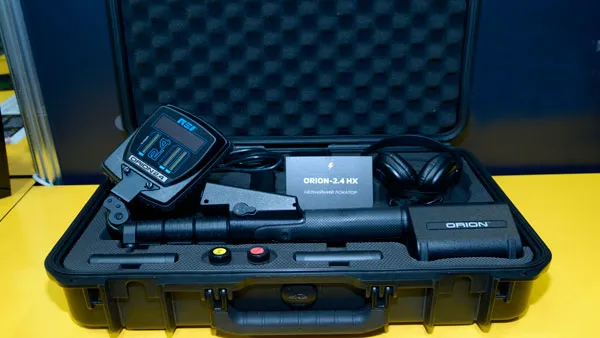
Online work is limited to lawful checks written into the scope. A sweep looks for cameras and listening devices in a place the client controls. It does not include a phone tap or access to someone else's accounts.

Digital investigations · Social media · OSINT · Bug and camera sweeps

Why hire Investigation Hotline

Licensed Ontario agency

An Ontario-licensed private investigation agency, with an office at 1920 Yonge Street.

Written scope before work starts

The question, the hours, and the places are agreed in writing before anyone goes out, so you know what you are paying for.

Published rates

Hourly rates and surveillance packages are on the rates page. The price is confirmed before work starts.

Confidential and discreet

We take every step to stay discreet. Your identity and case details are not shared without your permission.

How a private investigation works

Four steps, from the first call to the written report.

1

Confidential consultation

The first call sets the question, the names, and the dates you already know.

2

Written scope and price

The hours, the public places, and the records that can be checked lawfully are written down. The price is confirmed before anyone goes out.

3

Surveillance and research

Investigators work in public places and lawful records, and keep dated notes, photographs, and video where the law allows.

4

Report and next steps

A written report comes back at the end of the booked work, with video when the scope includes it. It is prepared to meet evidentiary standards; admissibility is decided by the court.

Private investigation case studies

Private detective or private investigator in Toronto

People in Toronto search for a private detective, a private investigator, or a PI, and they usually mean the same thing: a person who finds out facts for a client. In Ontario the licence is called a private investigator licence, issued under the Private Security and Investigative Services Act, 2005. Private detective is the everyday name for the same work.

Anyone comparing agencies can check a licence number on the registered-employer registry or the individual licence registry before paying a retainer. The article 10 questions to ask before hiring a private detective in Ontario covers what to ask first.

What a private investigator can and cannot do in Ontario

A licensed private investigator can observe in public places, research public records and open sources, interview people who agree to talk, keep dated notes, photos and video where the law allows, write a report, and explain the work if called to testify. The private investigator duties page lists these tasks and the case types they cover.

A licensed private investigator cannot trespass, listen to or record private conversations they are not part of, put tracking devices or spyware on someone else’s car, phone or computer, get into someone else’s email or social accounts, pose as police, or obtain protected records such as phone records without legal authority.

If a request would need any of these, the agency says so before the work starts. For legal questions about a specific situation, speak to a lawyer. The article on what private investigators can and can’t do explains eleven common myths.

Who hires a private investigator in Toronto

Most files come from four groups of people.

Individuals and families ask about a partner (infidelity), a child (child custody), unpaid support payments, or a relative’s background.

Employers ask about workplace misconduct, corporate fraud, or a WSIB claim.

Law firms use an investigator to locate people and document facts for a file. The investigator complements counsel and does not replace a lawyer. See law firm investigation support.

Insurers and businesses ask about insurance fraud and investigative due diligence before a deal or a hire.

Serving Toronto and the GTA

Files run across Toronto and the GTA, and across Ontario when the work requires it. Use the Locations menu for city pages, or see all private investigator service areas. If you do not see your area, contact us.

Toronto is not an easy city to investigate. High traffic, condo towers with controlled access, the PATH network, and busy hubs like Union Station or Dundas Square, plus East York and the downtown core, all demand careful planning. That may mean covert surveillance in Scarborough, asset tracing in North York, or background checks in Etobicoke.

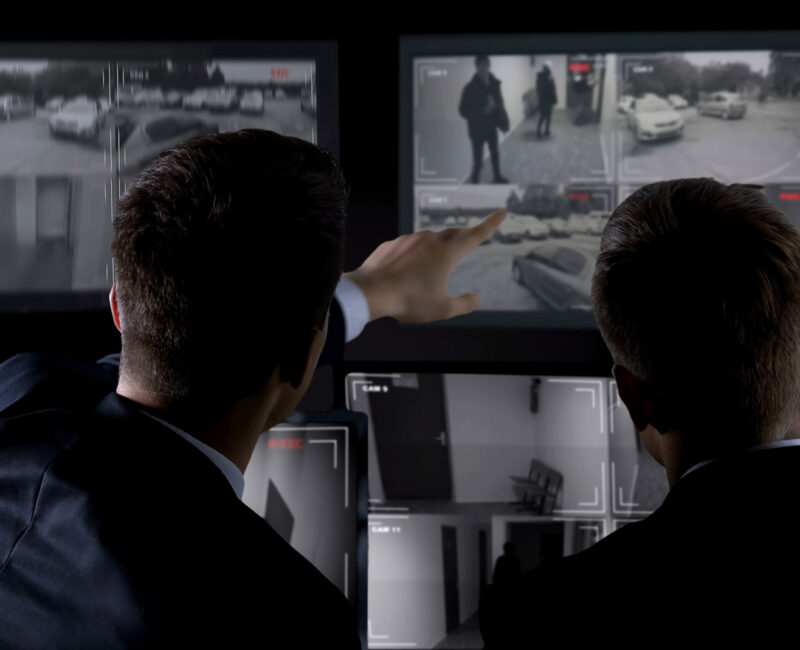
Investigators in front of screens

Licensed investigators

Every investigator on a file holds an Ontario licence. The work stays inside the Private Security and Investigative Services Act.

We're Always Here To Help | Investigation Hotline

What to expect

A useful investigation produces a clear record, not vague notes. You get time-stamped notes, photographs and video where the scope includes them, and a structured written report. The report is prepared to meet evidentiary standards; admissibility is decided by the court.

Most clients come to us needing certainty, not more questions. Findings are written in plain terms: what was observed, when, and where. Whether you are preparing for litigation, addressing a workplace issue, or making a personal decision, you have facts to act on.

Method matters. Findings are documented properly from the start, so your lawyer or employer can rely on what was recorded. Learn more about what to expect from our investigative process.

Black and white image of a boardroom meeting

Law firms, companies, and private clients

Investigation Hotline supports law firms, corporations, and private clients across Toronto and the GTA. From large fraud matters to sensitive personal cases, files are handled with professionalism and discretion.

Our reputation is built on accurate, well-documented findings and a scope that is agreed before the work starts.

Private investigator Toronto FAQs

Last reviewed November 21, 2026 by Mitchell Dubros.

Q1. What types of investigations do you offer in Toronto and the GTA?

We handle personal, corporate, and digital investigations across Toronto and the GTA.

That includes infidelity, assets, fraud, bug and camera detection, child custody, background work, and digital forensics. The service list is on the services page. For a specific matter, use the contact page.

Q2. How does the investigation process work?

It starts with a free, confidential consultation, then a plan, the investigation, and a written report. We use lawful methods. The steps are on the process page.

Q3. Are your investigators licensed?

Yes. Investigators are licensed under the Private Security and Investigative Services Act.

Q4. Is my case kept confidential?

Yes. We do not share your identity, information, or case details without your permission. We take every step to stay discreet.

Q5. How much does it cost to hire a Private Investigator in Toronto?

Investigation Hotline charges $85/hour per investigator plus $0.50/km, plus HST. Most files start with a retainer. Surveillance packages are $765 for 8 hours, $2,500 for 30 hours, and $4,000 for 50 hours. Those packages include kilometres, the report, and video, plus HST. Court testimony is $150 per hour, with a 5-hour daily minimum. We quote the work before it starts. The full list is on the private investigator rates page.

Q6. How quickly can you start an investigation?

We can often start within 24 hours of the consultation.

The start date depends on the complexity of the file and how urgent it is. We confirm the timing before the work begins.

Q7. What kind of evidence will I receive from an investigation?

You receive a written report, and time-stamped photographs, video, or observation notes when the work produces them.

Q8. Can you work with my lawyer on my case?

Yes. We work alongside your lawyer and supply the report and supporting material they request. Investigators complement counsel and do not replace them.

Q9. What information do I need to provide before starting?

Send the names, dates, locations, and any documents or messages you already have.

Those details let us scope the work and quote it before anything starts.

Q10. Do you handle infidelity investigations in Toronto?

Yes. We handle infidelity investigations in Toronto and the GTA. The work can include surveillance, time-stamped photographs or video, and a written report. See infidelity investigations.

Q11. Are private investigators legal in Ontario?

Yes. Private investigators may work for a client in Ontario when they hold a provincial licence. The work has to follow the rules on privacy and surveillance.

Q12. Can a PI legally follow someone in Ontario?

Yes. A licensed private investigator can follow someone in public places in Ontario as part of a lawful investigation. The investigator cannot trespass, enter a home or office without permission, or use illegal recording or account access.

Q13. Is PI evidence admissible in Ontario family court?

It can be. Admissibility is decided by the court.

We prepare the report, photographs, and video to meet evidentiary standards. Investigators complement counsel and do not replace them.

Q14. How long does surveillance take?

Surveillance is scheduled in blocks. The published packages are 8 hours, 30 hours, and 50 hours. We propose the hours before the work starts. Package details are on the rates page.

Q15. How do I verify a PI's licence?

Search the licence on Ontario’s official public registry. Investigation Hotline holds an agency licence. Check it on the registered-employer public registry. To check an individual investigator, search their licence number on the individual licence public registry.

Q16. Can a private investigator get cell phone records in Canada?

No. A licensed private investigator cannot get cell phone records from a carrier, or tap a phone, without legal authority. We do not access someone else’s phone, email, or accounts. If those records are needed, we say so before work starts so the client can speak with counsel. Investigators complement counsel and do not replace them.

Q17. Can an investigator testify in court, and what does that cost?

Yes. A licensed investigator can testify about the work they did. Court testimony is $150 per hour with a 5-hour daily minimum, plus HST. We prepare the report, photographs, and video to meet evidentiary standards; admissibility is decided by the court. Investigators complement counsel and do not replace them. Details are on the rates page.

Q18. What is the difference between a private detective and a private investigator in Toronto?

In Ontario the licence is a private investigator licence. Private detective is the everyday name for the same work. A Toronto private detective agency and a private investigator firm are licensed the same way. Check a licence number on the Ontario public registry before you hire.

Insights from a real private investigator

Mitchell Dubros on holiday evidence that vanishes, what to do when proof arrives, fake investigators, and AI voice scams.

Fox40 covers holiday infidelity warning: why evidence disappears

Holiday infidelity evidence fades fast. November and December give cover: a late office party, shopping, year-end meetings. By January, messages are deleted, a new phone appears, and hotel or camera records are overwritten. Many people wait until after New Year's to hire a private investigator in Toronto. By then the work is reconstruction, not a fresh record. If you already suspect enough to search for a PI, waiting through the holidays usually helps the person who wants the trail gone. What can still be documented is what happens in public, and the scope should be written before anyone starts.

Infidelity investigations

When the proof arrives, are you prepared?

In most infidelity files this firm takes on, the work confirms what the client already suspected. That is this firm's experience, not a published industry rate. Proof is the easy part. The hard part is the first 48 hours after you see it. Before surveillance starts, the useful questions are whether you have a lawyer, a plan for children, and a clear picture of accounts. Unprepared clients confront immediately, destroy records, or take steps that later hurt them in family court. Prepared clients sit with the report, talk to counsel, and decide the next move. In the remaining files the secrecy is often gambling, substances, or other hidden meetings rather than an affair. Do not hire until you can absorb the answer.

Episode notes · What to do before you see the proof

Don't get burned: spotting fraudulent private investigators

Ontario has unlicensed people selling investigation work. Walk away if they will not give a licence number you can check on the Ontario employer registry, promise guaranteed results, quote a rock-bottom hourly rate, refuse to let you take the contract home, or offer to hack a phone, tap a line, or plant a tracker. Those methods are illegal in Canada and can collapse a file. A licensed agency gives an address, a rate before work starts, and a written scope. Posted surveillance here is $85 per investigator-hour plus $0.50/km plus HST; the full list is on the rates page. Ask for the agency licence number and confirm it on the registry yourself.

Episode notes · Red flags before you send a retainer

The deepfake fraud crisis: AI voice cloning

A few seconds of audio can clone a voice for a fake executive call or a fake family emergency. These scams hit working-age adults, not only seniors. If a relative or a "CEO" asks for an urgent wire, pause and use a second channel you already trust. Useful work is verification: who was actually on the call, which account moved money, and what can be shown from public or consented records. Licensed investigators do not hack devices. For businesses the same pattern shows up in invoice and vendor fraud.

Episode notes · How these scams are showing up in the news · Digital investigations

Partners in private investigations