
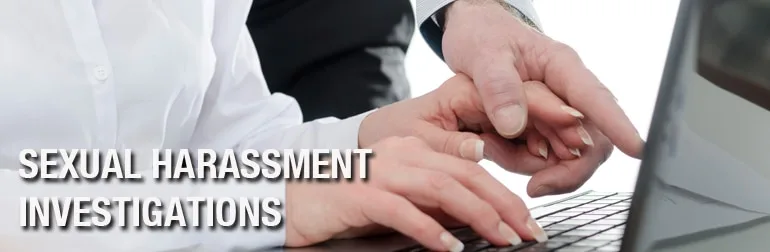
A sexual harassment investigation collects and preserves facts about unwelcome sexual conduct at work, school, or in other organizations—so complainants, employers, and counsel can decide on HR action, civil claims, or police reports with evidence rather than rumour. Licensed private investigators in Ontario support discreet fact-finding when internal HR capacity is limited, conflicts of interest exist, or you need independent documentation for counsel.
What counts as sexual harassment in a workplace investigation?
Sexual harassment generally means unwelcome sexual behaviour, sexual coercion, or “rewards” tied to sexual favours. In employment, it often becomes actionable when conduct is severe or repeated enough to create a hostile environment, or when it leads to adverse job decisions firing, demotion, blocked advancement—or a constructive resignation. Examples can include repeated propositions, innuendo, coerced contact, circulating explicit images, monitoring or intercepting private communications, stalking, threats, or unwanted physical contact.
Ontario’s Human Rights framework treats workplace sexual harassment as a serious human-rights and employment issue. For a plain-language public overview, see the Ontario Human Rights Commission’s sexual harassment in employment fact sheet. This page is not legal advice; counsel or an employment lawyer should interpret how the law applies to your file.
When should employers or complainants hire a private investigator?
Call investigators and usually counsel when the allegation is serious, witnesses will not speak freely to HR, the respondent is senior, digital or off-site conduct is hard to map internally, or the organization needs an independent record for a tribunal, arbitrator, or insurer. Investigators also help when harassment overlaps after-hours contact or monitoring that employees feel unsafe documenting alone.
Urgent physical danger or ongoing criminal offences belong with police first. Investigators complement that process under counsel’s direction; they do not replace 911, campus security, or statutory reporting duties.
How does a sexual harassment investigation typically work?
Intake defines jurisdiction, parties, timelines, and lawful methods. Investigators then gather statements, preserve emails and messages with chain-of-custody habits, review access logs where available, and only where lawful and scoped use discreet documentation techniques. Findings go into a written report that counsel and decision-makers can use. The same discipline we use on other workplace files is outlined in our workplace investigations approach and the workplace investigation service overview.
A typical sequence looks like this:
- Conflict check and retain counsel (or confirm counsel is already directing the file).
- Hold letter or notice planning so evidence is not shredded, wiped, or “cleaned up.”
- Complainant interview in a private setting; trauma-aware pacing; no pressure for a single “perfect” narrative.
- Witness list built from calendars, seating charts, and named third parties not workplace gossip alone.
- Respondent interview when counsel approves timing and fairness requirements.
- Digital forensics only within legal authority (company devices, consented personal data, court or tribunal orders).
- Credibility analysis that separates what is proven, what is disputed, and what cannot be resolved.
Hidden recording, covert devices, and continuous surveillance have legal limits in Canada. Ethical investigators refuse illegal collection. Clients who push for unlawful tactics create liability, see related themes in ethical issues in private investigation.
Who should order the file, how is confidentiality handled, and why use a licensed PI?
Who: Complainants (often through counsel), employers and boards seeking independence, insurers, and law firms directing fieldwork. Schools and nonprofits may need the same independence when internal relationships are intertwined.
How: Need-to-know interviews, secure storage of notes and media, and clear conflict checks. Retaliation risk is real; investigators plan contacts so they do not tip the respondent prematurely when counsel advises silence.
Why licensed: Amateur “investigations,” gossip campaigns, or untrained IT exports can destroy evidence and expose the client to privacy suits. Licensed investigators document sources counsel can trust. Counsel often pairs PIs with litigation strategy, see how private investigators help law firms.
What should you preserve before intake?
- Dates, times, locations, and names of people present
- Emails, texts, DMs, and calendar invites (export originals; do not edit threads)
- Photos, screenshots with visible timestamps, and device IDs if known
- HR complaints already filed and any response letters
- Medical or counselling notes only as counsel directs
Do not confront the respondent alone to “get a confession on tape” unless counsel designs a lawful plan. Spontaneous confrontations escalate risk and often ruin usable evidence.
Employers also have parallel duties under occupational health and safety rules and internal policies: interim safety measures, non-retaliation, and timely process. Investigators help with facts; they do not relieve the organization of those obligations. Document what temporary steps you took schedule changes, no-contact directions, site security because they matter later when fairness is tested.
Schools, nonprofits, and professional offices follow the same evidence logic even when titles differ (student complaint, member complaint, patient-facing workplace). The question is always: what can be proven with documents and witnesses, and what remedies sit with HR, a regulator, a court, or police? Independent investigators reduce the appearance that leadership “investigated itself.”
For complainants, expect a careful interview, not an interrogation. You can pause, ask who will see notes, and bring counsel. For respondents, fairness includes a chance to answer specific allegations with enough detail to respond again, sequenced by counsel not a trial by rumour in an open-plan office.
Frequently asked questions
Is workplace sexual harassment always criminal?
No. Many files are civil, human-rights, or employment matters. Threats, assault, criminal harassment, or certain image-based offences may engage the Criminal Code report those to police promptly and tell your investigator so scopes do not collide.
Can an investigator interview the respondent?
Sometimes, under counsel’s instruction and workplace policy. Timing matters: early notice can trigger spoliation; delayed notice can undermine fairness. Counsel designs that sequence.
Will the investigation stay confidential?
Investigators work on a need-to-know basis, but employers may have disclosure duties, and tribunals or courts can compel records. Absolute silence is rarely promised; discretion is.
Need a confidential sexual harassment investigation in Ontario?
Investigation Hotline supports counsel, employers, and individuals across Toronto and Ontario with discreet workplace fact-finding. Call (416) 205-9114 for a confidential consultation, or review how to hire a private investigator in Ontario before you start.
To learn more, contact Investigation Hotline at