
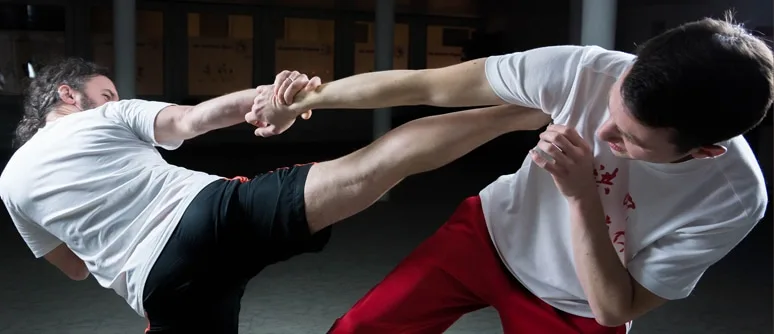
Knowing basic escape and self-defense options can reduce panic if you are ever unlawfully restrained or threatened. This guide covers a simple zip-tie escape concept and practical street-safety principles focused on getting to safety and calling for help, not “winning” a fight. These tips are educational, not a substitute for professional training or emergency services. Pair them with everyday habits from our street safety tips.
How can you escape zip-tie restraints?
If you are ever unlawfully constrained with zip ties, trained escape techniques exist that use leverage and positioning rather than raw strength. The video below demonstrates one widely shared method. Practice only in a safe setting; real incidents are chaotic, and your first priority is reaching a safe place and contacting police.
What should you do in a street confrontation?
Whether you said the wrong thing to someone or you are being robbed, the goal is to leave alive and uninjured not to prove a point. Effective self-defense starts with judgment: create distance, attract attention, and get to a populated area when you can.
What are practical self-defense principles?
- You are not in a movie. Action-hero fantasies get people hurt. Treat every threat as serious and look for the fastest exit.
- Your goal is escape, not victory. Use only the force needed to break contact and flee. Excessive force can create legal consequences under Canadian law.
- Know your limits. If an attacker has a weapon, compliance and survival often beat resistance. Property can be replaced; you cannot.
- Remain as calm as you can. Panic narrows options. Controlled breathing and a clear plan move, yell, run beat frozen silence.
- You can take a hit and still leave. One strike does not end the encounter. Protect your head, create space, and move toward help.
- There are no “fair fight” rules on the street. If you must defend yourself, prioritize escape over style. Then get to safety immediately.
- Awareness beats late reaction. Spot exits, keep hands free, and avoid isolated shortcuts habits covered in our street safety series.
- Close distance only when it helps you escape. Clinching or going to the ground can help some trained people and trap others. If you are untrained, create space and run.
- Protect your head and keep hands ready. Hands up is a defensive posture, not an invitation to prolong a fight.
- Call for help as soon as you can. Knowing how to call 911 effectively matters as much as any physical technique.
When should you get professional help after a threat?
If someone is stalking you, monitoring your movements, or you suspect you are being watched, document what you can and speak with police. Licensed investigators can also support safety planning and evidence gathering in ongoing harassment or abuse situations, see our domestic and elder abuse investigation service when the threat is personal or family-related.
Need confidential support in Ontario?
Investigation Hotline has helped individuals and families across Toronto, the GTA, and Ontario since 1988 with safety-related investigations. Call (416) 205-9114 for a confidential consultation. If you are in immediate danger, call 911 first.
To learn more, contact Investigation Hotline at