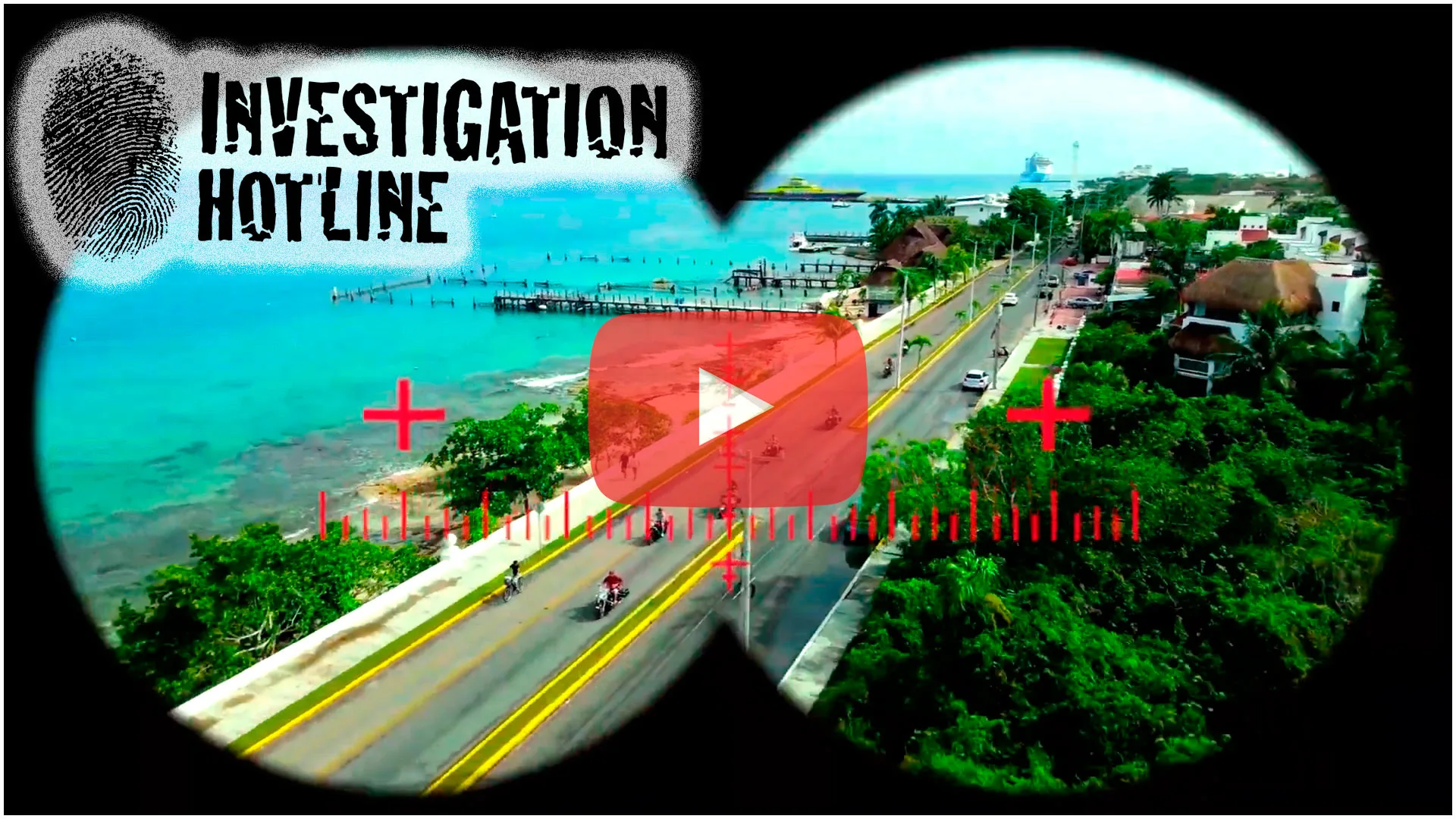
Aerial surveillance drones let licensed investigators document large sites, hard-to-approach ground, and time-stamped overviews that street-level teams cannot capture alone. Investigation Hotline uses UAV (drone) imaging on Ontario private investigation files when elevated video or photography answers a clear case question. This page covers how aerial surveillance drones fit PI work, what types of flights are common, and what clients should prepare. For service intake and equipment scope, start with our drone and aerial surveillance page. For when drones pair with underwater tools, see aerial and underwater surveillance.
What are aerial surveillance drones in a private investigation?
In PI work, aerial surveillance drones are unmanned aircraft flown by a trained pilot to collect photos or video under Canadian aviation rules. They are tools inside a written investigation plan, not recreational flyovers. Most person-following and public-place observation still relies on ground tracking and surveillance. Drones add height, coverage, and a dated visual record of places, perimeters, and activity patterns.
Who uses them: counsel, insurers, employers, property managers, and individuals with a lawful need for elevated documentation.
What you receive: a scoped flight plan, dated media, and findings tied to your objectives.
What this is not: unrestricted filming of private spaces, or drone work without licensing, privacy review, and chain of custody.
When do private investigators use aerial surveillance drones?
Drones help when the subject area is large, difficult to approach on foot, or needs a fast overview: industrial yards, open land, event perimeters, roof lines, stockpiles, and search grids. Day and night options depend on sensors and legal flight limits. Mitchell Dubros, founder of Investigation Hotline and a licensed drone pilot, treats flights as controlled evidence capture, not speculative sightseeing.
Common file types include insurance and workplace documentation, site inspections that support litigation, and cases where ground teams need an aerial map before or after street-level work. Broader aerial methods in PI practice are also discussed in aerial surveillance in private investigations.
What types of drone flights support investigations?
Investigators match the aircraft and camera package to the question:
- Overview mapping: wide shots that show layout, access points, and change over time.
- Focused documentation: closer passes on a structure, vehicle cluster, or outdoor process when safe and lawful.
- Pre-surveillance planning: imagery that helps ground teams choose observation points.
- Support for counsel: dated media packaged for reports and, when appropriate, court use.
The right choice depends on airspace, weather, privacy risk, and whether a ground observer can answer the question without a flight.
How do aerial surveillance drones differ from ground surveillance?
Ground investigators document people, vehicles, and meetings in public spaces. Aerial surveillance drones document places and objects from above. Many Ontario files use both: a drone maps a site; ground teams verify who arrives and leaves. Ordering both without a written scope wastes budget. Ask at intake which layer answers your decision.
What legal and safety limits apply in Ontario?
Flights must follow Transport Canada rules, airspace restrictions, and privacy expectations. Being able to fly a drone does not mean every shot is lawful or usable in court. Investigation Hotline scopes jobs so media stays usable for counsel. Restricted zones, nearby airports, and private property lines can block or reshape a plan. Alternatives are discussed when a flight is not safe or permitted.
What should clients prepare before a drone surveillance request?
- State the decision you need (inspect, locate, document activity, support a claim).
- Provide maps, GPS pins, photos, and time windows.
- Disclose airports, restricted airspace, private property lines, and hazards.
- Confirm site ownership and whether written access exists.
- Ask how media will be labelled, stored, and delivered to your lawyer.
Frequently asked questions
Can aerial surveillance drones replace traditional PI surveillance?
No. Drones add a viewpoint. Most person-focused files still need ground observation and documentation.
Do you fly anywhere a client asks?
No. Airspace rules, safety, and privacy limits can block a flight. Your investigator will explain options at intake.
Is drone video always court-ready?
Usability depends on how the flight was scoped, labelled, and stored. Ask for a clear delivery format before the job starts.
Need aerial surveillance drones in Ontario?
Investigation Hotline is a licensed Ontario firm serving Toronto and the GTA since 1988. Call (416) 205-9114 for a confidential consultation if your case needs elevated documentation.
To learn more, contact Investigation Hotline at