

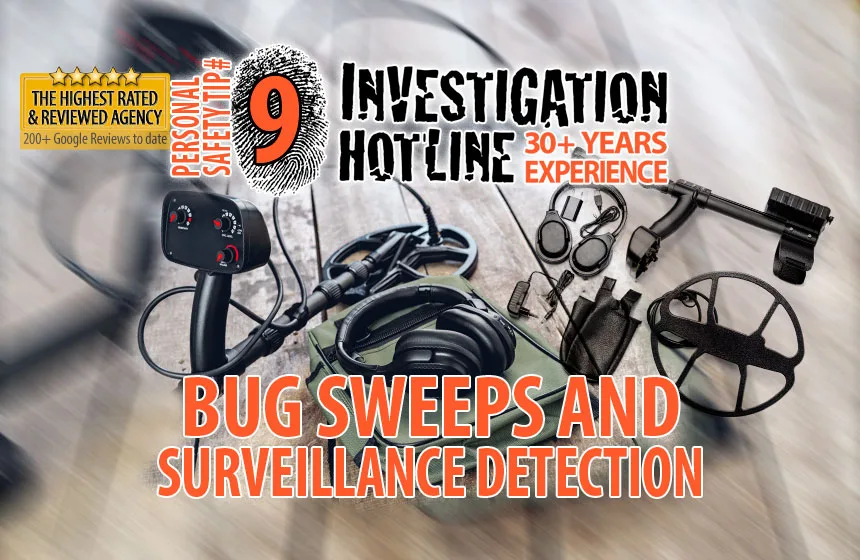
What is a bug sweep and when do you need one?
A bug sweep is a structured search for unauthorized listening devices, hidden cameras, and related transmitters in rooms, vehicles, or other spaces you are authorized to examine. Consumer “detector” pens and phone apps catch some cheap gadgets. They miss many modern devices that store locally, use intermittent bursts, or hide inside ordinary electronics.
Book a professional sweep when stakes are high: merger talks, litigation strategy, trade secrets, executive travel rooms, or a credible tip that someone planted gear. For a fuller explainer of how investigators approach this work, see private investigators and bug sweeps.
What warning signs suggest an office may be bugged?
No single clue proves a bug. Clusters of odd events raise the priority:
- Competitors or outsiders seem to know closed door decisions too quickly
- Unscheduled maintenance, cabling, or “IT visits” you did not approve
- New clocks, smoke detectors, chargers, pens, or power adapters that nobody claims
- Buzzing, clicking, or static near meeting tables when phones are idle
- Unknown WiFi or Bluetooth names that appear near boardrooms
- Gifts left after tours, pitches, or contractor visits
Our related guide on signs your business may be bugged expands these workplace red flags for Ontario firms.
How can you check for bugs before calling investigators?
These ten steps help you document what you see without tearing rooms apart. Take photos and notes. Do not confront suspected actors alone if safety is a concern.
1. Inspect recent gifts thoroughly
Gifts, promotional kits, and “thank you” gadgets can hide mics or cameras. Open packaging in a controlled space. Look for extra weight, seams, USB ports that do nothing, or lenses that look like screws.
2. Question unscheduled maintenance or repairs
Verify vendor tickets. Ask who authorized the work. Check ceiling tiles, trunking, and furniture that was moved “just to access a cable.”
3. Look for unusual objects
Compare wall plates, detectors, clocks, and desk items to the rest of the floor. Extra wiring, fresh adhesive, or a device that feels warm when idle deserves a closer look.
4. Monitor for new or unknown electronics
Conference rooms collect chargers, hubs, and speakers. Label what belongs. Anything new without a purchase trail should be isolated for review.
5. Check for hidden cameras
Scan vents, shelves, picture frames, and fake smoke detectors for pinholes. After dark, a flashlight sweep across surfaces can reveal lens reflections. For common hide spots investigators see, read where private investigators find hidden cameras.
6. Listen for unusual noises
Quiet the room. Note buzzing, relay clicks, or fan sounds from objects that should be silent. Record the time and location.
7. Review network traffic and unknown access points
Ask IT to flag unknown MAC addresses, odd outbound traffic after hours, and rogue access points near executive suites. Some devices phone home; others never touch your LAN.
8. Inspect walls, ceilings, and floors carefully
Look for disturbed dust lines, mismatched paint, or trunking that does not match building standards. Do not cut walls without facilities approval and a plan to restore evidence quality.
9. Secure meeting areas before sensitive talks
Sweep the room visually, remove unknown electronics, and prefer hardwired phones for critical calls when practical. Use a clean laptop image when sharing screens.
10. Call a licensed private investigator for TSCM
If clues persist, stop DIY poking that could alert a sophisticated actor. A professional bug and camera sweep uses RF analysis, physical inspection, and documentation suitable for counsel.
What patterns do investigators actually see on bug sweep files?
Many calls start after a leak of pricing, a bid loss that felt too precise, or a spouse who found a camera in a shared home. Offices often delay because leaders fear looking paranoid. Homes often delay because people hope the object is harmless. Waiting lets a sophisticated actor remove gear before anyone documents it.
Another pattern: teams buy cheap detectors online, wave them once, declare the space clean, then learn weeks later that decisions still leak. Consumer tools have a place as a first pass. They are not a substitute when board level or litigation level confidence is required. When our technicians arrive early, the job is quieter: map the rooms, check power and RF behavior, and leave a report counsel can use even if nothing hostile is found.
False alarms happen too. Smart TVs, baby monitors, and forgotten conference cams trigger worry. A good sweep explains what is legitimate building tech versus what does not belong. That clarity is part of the service value, not only catching a spy device.
What do professional TSCM sweeps add that DIY cannot?
Licensed teams combine physical search with spectrum tools, nonlinear detection where appropriate, and methodical room mapping. They photograph findings, note serials when present, and preserve chain of custody so counsel can decide next steps. DIY apps cannot substitute for that report when insurers, boards, or courts ask what was found.
Investigation Hotline is a licensed Ontario firm. We only accept lawful mandates for spaces and vehicles you control or are authorized to examine. We do not “hack back,” break into accounts, or plant devices.
What about homes, hotels, and vehicles?
Residential and travel environments raise different risks: short term rentals, shared walls, gift cameras, and vehicle trackers. Couples disputes and family files often mix privacy law with device questions. Read hidden camera legality before you record anyone yourself. Unauthorized GPS installs on cars you do not own can create legal exposure; our team discusses lawful options under Ontario rules when the facts support a mandate.
Modern miniaturized bugs and wearable cameras change how sweeps are planned. Background on evolving hardware sits in our note on modern surveillance from nanobugs to body worn cameras.
Privacy expectations around cameras and recording also sit under Canadian and Ontario guidance. For public sector style privacy principles and camera context, see materials from the Information and Privacy Commissioner of Ontario. Private premises still need lawful authority and proportional methods.
How does a confidential bug sweep engagement usually run?
A typical lawful engagement starts with a scoped brief: which rooms, which threat model, and who may know about the visit. Teams often prefer quiet scheduling so a sophisticated actor is not tipped off. After the sweep, you receive clear findings, including negative results when nothing hostile is present. Negative results still have value for boards and counsel.
When field observation is also required, investigators may pair technical work with tracking and surveillance under a separate, lawful plan. Technical findings and human surveillance answers different questions; mixing them without a mandate muddies evidence.
What should you avoid during a suspected bug incident?
Do not announce suspicions in the compromised room. Do not throw away candidate devices before photos and notes exist. Do not hire unlicensed “sweep” marketers who guarantee results or suggest illegal countermeasures. Do not assume a clean phone app scan means the space is clear.
If employees may be involved, coordinate with counsel early so HR steps and evidence handling stay aligned. Workplace files can overlap with our workplace investigation work when policy breaches or theft of secrets are also in play. Keep written notes of who entered sensitive rooms, which vendors held keys, and when odd objects first appeared. Those timelines often matter more than any single gadget.
FAQ: bug sweeps and private investigators
Is a bug sweep legal in Ontario?
Yes when you have authority over the space or vehicle and the firm is properly licensed. Investigators cannot lawfully sweep premises for you without that authority.
Can I detect every bug with a phone app?
No. Apps help with some WiFi cameras and crude RF sources. Professional TSCM is still the standard when decisions or litigation depend on the answer.
Will the sweep stay confidential?
Reputable firms limit knowledge of the visit to people you approve. Ask about reporting format and who receives copies before work starts.
Do you only serve Toronto?
We cover the GTA and broader Ontario mandates when logistics allow. Call to confirm timing for your site.
Summarize with AI