
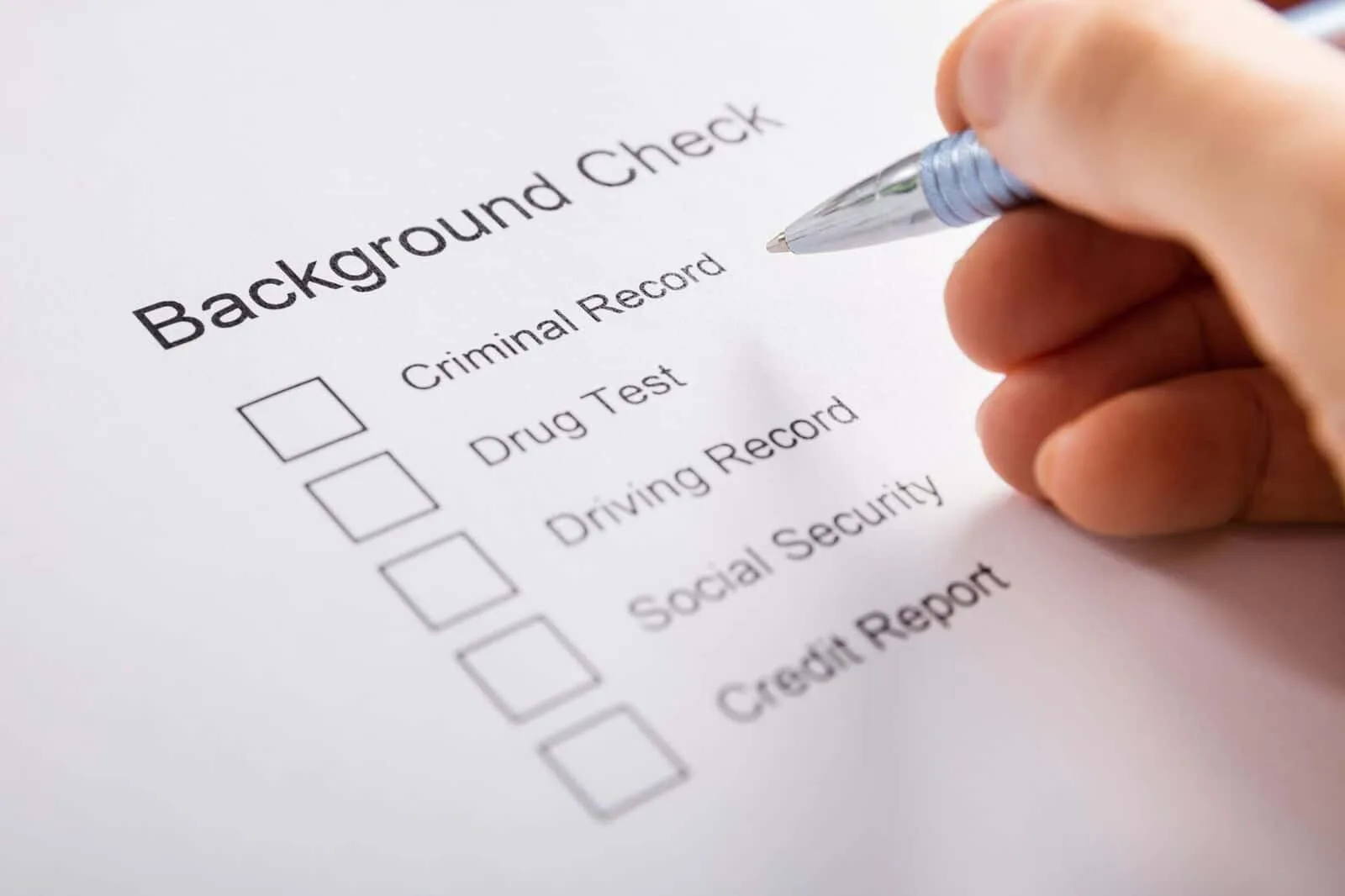
Conducting background checks is more important today than at any time in the past. Whether you are evaluating a possible romantic opportunity, a new job applicant, a tenant, a contractor, or some kind of investment partner, it helps to know that the story you were told matches what can be verified. Investigation Hotline is a licensed Ontario private investigations firm serving Toronto, the GTA, and locations across the province.
This article explains the main types of background checks a private investigator can perform, what evidence typically gets gathered, and how the process stays lawful and evidence-ready. Our focus is practical verification: facts, timelines, and documented findings that your decision-maker (or your lawyer) can use.
What is a background check (and what it is not)?
A background check is a verification process. It compares information someone provides (identity, claims, employment history, addresses, professional history, or business details) to information that can be responsibly and legally confirmed. A good background check is not rumor, harassment, or guesswork.
In Ontario, background checks must be handled carefully because privacy laws and consent requirements matter. If you are seeking information about a specific person, the investigator should confirm the lawful basis for collecting and using that information. Investigation Hotline can help you structure the scope so the work is appropriate for the purpose (hiring, screening, due diligence, or safety-related concerns).
For privacy context, see PIPEDA (Personal Information Protection and Electronic Documents Act).
Which background checks can a private investigator perform?
Different clients need different types of checks. Below are the most common categories of work we perform in Ontario. Your intake call defines the goal, the risks, and what evidence would actually help you make a decision.
1) Identity verification and truth-checking
Identity verification is often the starting point. A private investigator can verify identity details and look for inconsistencies across multiple sources. This may include:
- Confirming that names, dates, addresses, or contact details are consistent
- Identifying mismatches between claimed identity information and what can be supported
- Documenting discrepancies with clear, dated notes
This type of work can be helpful when someone is making high-stakes claims online or in person, or when you suspect a resume, profile, or story is not complete.
2) Employment and workplace screening (hiring due diligence)
Background checks in a hiring context often focus on whether a candidate’s claims are accurate and whether there are credible risks for an employer. Depending on the role and your lawful process, an investigator may support verification by:
- Confirming employment history claims and dates (where evidence is available)
- Verifying professional references or prior positions when documentation exists
- Reviewing publicly available information that relates to the role and risk
- Providing a structured summary your HR team can review
For workplace-focused investigation needs beyond background checks, you can also review our workplace investigation services.
3) Tenant and property manager background screening
Property managers and landlords may require screening for safety, reliability, and risk management. In many situations, the private investigator’s role is to verify claims and document concerns in a way that supports lawful decision-making.
Depending on the case, this can include identity verification, history consistency checks, and evidence collection that supports your documentation requirements.
If locating people becomes part of the task (for example, when addresses and schedules do not match), investigators may also coordinate with our finding people services.
4) Contractor and vendor verification
When hiring contractors, subcontractors, or vendors, the risk is not always obvious. A private investigator can help by verifying:
- Business identity and claimed operational details
- Whether addresses and contact points appear consistent
- Whether there are red flags in publicly available information
This is especially useful when the relationship involves significant deposits, long timelines, or work that requires access to secure locations or sensitive equipment.
5) Financial and fraud-related due diligence
In some background check scenarios, the concern is financial integrity. For example: suspected investment misrepresentation, inconsistencies about assets, or concerns about hidden ownership or control. In those cases, investigators may focus on leads related to money flow and asset-related claims.
If your concern includes assets or enforcement, consider our assets identification and enforcement service for a more specialized track.
Because financial investigations must be handled carefully, the investigator typically frames findings as verifiable leads and documented observations, rather than sweeping accusations.
6) Digital identity and online behavior checks
Modern background checking often includes digital verification. That can include reviewing online identity inconsistencies and documenting patterns that relate to your risk. When an issue involves digital evidence (devices, deleted records, messages, or platform-linked proof), the scope may overlap with digital investigations.
Important: lawful background checks must avoid illegal access. The goal is evidence collection and documentation that can be defended as responsible and appropriate to the case scope.
When would someone hire a private investigator for a background check?
Most background checks are not about curiosity. They are about risk management. People and organizations tend to hire investigators when:
- Stakes are high (money, safety, access to workplaces, or children)
- Someone’s story has inconsistencies (dates, addresses, credentials, work history, or online identity)
- You are facing a time-sensitive decision and need a clearer factual picture
- You need a documented report that supports your next steps
If you are unsure whether a case belongs in background checking, the intake process clarifies what evidence you need and what is realistic to obtain. The scope should match your goal: verification, documentation, or lead generation for counsel.
What evidence does a PI typically gather?
Every case is different, but lawful background checks commonly rely on:
- Documented notes and timelines (dates, sources, and observations)
- Publicly available research where appropriate and lawful
- Structured interviews when relevant and authorized
- Verification leads you can use to ask the next question
- Digital evidence support when the case includes online records, accounts, or device-linked proof
Our objective is not to create drama. It is to build a fact-oriented record that you can review and decide from.
How the background check process works in Ontario
Most background check files follow a similar process:
- Intake and scope: You explain the goal (hiring, screening, due diligence, safety). We define what to verify and what outcomes you want.
- Consent and lawful basis: We confirm how the work should be conducted responsibly so privacy and legality are respected.
- Research and verification: The investigator gathers information, checks consistency, and documents findings.
- Report and next steps: You receive a structured summary of evidence and verified leads. If counsel is involved, the report can be aligned to what a lawyer needs.
For many clients, the value is clarity. When a timeline is confusing or a story does not add up, the report helps you move forward with fewer assumptions.
What can a background check reveal?
A well-designed background check can reveal:
- Where claims are consistent and where they are not
- Whether identity details appear to match verified records
- Whether addresses and timelines make sense
- Credible risks you may need to investigate further
It can also help you ask better questions. Even when a check does not produce a “perfect answer,” it can still reduce uncertainty and guide safe decisions.
Common questions about private investigator background checks
Can a private investigator access police records in Ontario?
In general, investigators do not “unlock” criminal databases in the way people sometimes assume. However, a PI can help verify information through appropriate sources and document verified leads. If your situation involves a specific type of record or a formal check (for example, for hiring), we can discuss how to structure verification responsibly.
Are background checks legal?
Background checks can be lawful, but the work must respect consent, privacy, and the purpose of the investigation. Before collecting or using personal information, a responsible approach is required. For privacy and personal information protections, reference PIPEDA.
Will the person I am checking know?
Professional background checks are typically discreet by design. There is no guarantee of zero awareness in every situation, especially where someone is already highly alert. We manage tradecraft and scope to reduce unnecessary risk.
What do you need from me to start?
We usually begin with the person’s full legal name (and any aliases you have), relevant addresses or locations, and the main claims you want to verify. For hiring or screening, we also want to know the role or risk category you are concerned about.
How long does a background check take?
Timing depends on scope. A focused identity verification can be faster; broader checks that require multiple sources may take longer. During intake, we set realistic expectations for what can be verified and when you can receive a report.
Get help from a Toronto background check investigator
If you want lawful, evidence-ready verification, Investigation Hotline can help you map the right background check approach. We serve clients across Toronto, the GTA, and Ontario with documented findings you can review confidently.
Call (416) 205-9114 or visit our contact page to speak with the experts.
Related service: for cases involving workplace safety, misconduct risk, or HR-adjacent concerns, review workplace investigations.
To learn more, contact Investigation Hotline at