
Christmas raises risk in ways that feel ordinary until something goes wrong: packages left on porches, crowded calendars, public posts about travel, online deals under time pressure, and family conflict that surfaces when everyone is in the same room.
This guide covers practical Christmas safety for households in Canada. It is not a full holiday-scam encyclopedia and not a service landing page. For scam types and BBB-style watch lists, see BBB list of common holiday scams and top holiday scams to watch for in Canada.
Home and package risks during Christmas
Busy streets and visible gifts create opportunity for theft. Simple habits reduce the easy wins burglars look for.
- Hold packages at the depot, use a locker, or require a signature when you will be away.
- Do not leave empty boxes for TVs, gaming consoles, or bikes at the curb overnight.
- Use timers or smart lights if the house will sit dark for days.
- Lock side doors, garages, and vehicles even for short errands.
- If you post travel plans, delay public sharing until after you return.
Most holiday break-ins are opportunistic. Removing signals of absence matters more than new gadgets.
Online shopping and payment traps
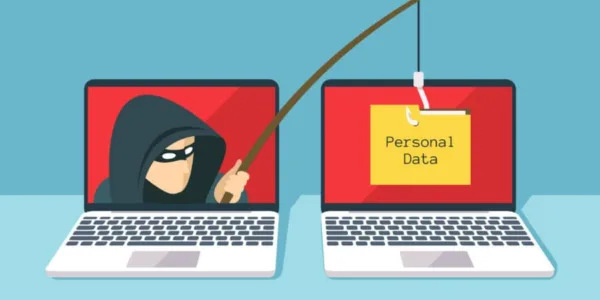
Scammers lean on shipping cutoffs and gift urgency. Keep this short checklist before you pay:
- Confirm the domain yourself. Do not trust links in surprise texts or emails.
- Prefer credit cards or protected checkout over gift cards, crypto, or unusual wires for unknown sellers.
- Skip “charity” or “customs fee” requests that arrive by DM or cold call.
- Hang up on family-emergency claims and call the relative on a known number.
For account lockdown habits after a scare, use how to protect yourself from scammers, hackers, and thieves.
Privacy and self-created surveillance risks
During Christmas, people often publish enough detail for strangers (or a hostile ex-partner) to map routines: flight screenshots, kids’ school events, nightly party addresses, and live location tags.
- Tighten social privacy settings before party season, not after.
- Avoid real-time location tags on the family home.
- Think twice before posting children’s full names, schools, and schedules in one place.
- On shared devices at gatherings, log out of banking and email.
If the concern is professional observation on a legal file, that is a different question. See who needs surveillance in an investigation and tracking and surveillance services. Do not confuse social oversharing with lawful investigative work.
Family conflict, custody schedules, and holiday stress
December compresses parenting schedules, money stress, and old disputes. Christmas safety here means planning, not drama.
- Put exchange times and locations in writing when court orders or agreements exist.
- Choose public, predictable exchange points if conflict runs high.
- Do not use children as messengers for legal or financial arguments.
- Save messages and missed-exchange notes if counsel may need a dated record later.
If the issue is support, cohabitation, or hidden income rather than a holiday visit dispute, that belongs under a different file type. Start with counsel, then see our notes on when support payments warrant investigation if documentation is already in play.
Gatherings, drinks, and personal safety
- Plan transport before drinking. Do not leave drinks unattended.
- Share your evening plan with one trusted person if you are meeting new groups.
- Keep wallets and phones secured in crowded malls and transit.
- Be cautious with QR codes on parking meters, posters, and restaurant tables. Stickers can redirect payments.
A Christmas safety checklist you can reuse
- Packages: hold, locker, or signature.
- Home: lights, locks, no “we are away” posts.
- Payments: pause on urgency and gift-card demands.
- Privacy: delay travel posts; limit kid and address detail.
- Family: written exchange plans where conflict exists.
- After a loss: bank alert, screenshots, and a fraud report if money moved.
FAQ: Christmas safety
Is Christmas really higher risk than other months?
For package theft, charity fraud, and online shopping traps, yes. The methods are familiar; the volume and urgency rise.
Should I stop posting photos entirely?
No. Delay location and travel details, and avoid combining home address cues with real-time absence.
When does a holiday dispute become an investigation file?
When counsel needs dated facts (missed exchanges, undeclared household changes, or fraud) that you cannot document alone. Most family tension does not need fieldwork.
How is this page different from your holiday scam posts?
Those pages catalogue scam types. This page focuses on household Christmas safety: home, privacy, gatherings, and family logistics.
Need help after a holiday incident in Ontario?
Investigation Hotline supports individuals and businesses across Toronto and Ontario when fraud, documentation, or a conflicted file needs a clear next step. Call (416) 205-9114 or use the contact page for a confidential discussion.
To learn more, contact Investigation Hotline at